What is a 7-Day Gut Reset? (Complete Answer)

Want to get your gut on the right track to health this year? Try a 7-day gut reset. Here’s how it works.
Quick Answer (TL;DR)
A 7-day gut reset is a focused, short-term dietary and lifestyle protocol designed to reboot your digestive system, reduce inflammation, and restore balance to your gut microbiome. It typically involves eliminating processed foods, sugars, and potential irritants while emphasizing whole foods, fermented items rich in probiotics, fiber-packed vegetables, and hydration. Many people experience reduced bloating, improved energy, clearer thinking, and better bowel regularity after just one week! It’s not an extreme cleanse but a gentle reboot—ideal for anyone dealing with chronic digestive discomfort.

Understanding the Question
If you’ve landed here searching for “what is a 7-day gut reset?”, you’re likely tired of persistent digestive issues like bloating after meals, unpredictable bathroom habits, or that foggy, low-energy feeling that seems tied to your gut. You’re not alone—millions of health-conscious adults, from busy millennials juggling wellness trends to parents managing family sensitivities or athletes optimizing performance, are turning to this approachable concept.
At its core, the question stems from growing awareness of the gut microbiome: the trillions of bacteria, fungi, and other microbes in your digestive tract that influence everything from digestion and immunity to mood and energy. Modern life—processed foods, stress, antibiotics, and poor sleep—can disrupt this delicate balance, leading to dysbiosis (imbalanced gut flora). A 7-day gut reset aims to hit the “refresh” button, giving your system a break from irritants while flooding it with supportive nutrients.
Detailed Explanation
A 7-day gut reset is a structured, one-week plan that combines the elimination of inflammatory foods with the introduction of gut-healing ones. It’s rooted in functional medicine and nutrition science, drawing from principles like those in Ayurvedic practices, intermittent fasting, and microbiome research.
Unlike long-term diets or harsh detoxes, this reset is short and sustainable, making it accessible for beginners. The goal? Reduce gut inflammation, repopulate beneficial bacteria, repair the intestinal lining, and improve nutrient absorption. Research shows that even brief dietary shifts can positively alter the microbiome, with improvements in diversity and function appearing in as little as a few days.
Typical components include:
- Elimination phase: Cutting out processed foods, added sugars, alcohol, dairy (for some), gluten, and artificial additives—these can feed harmful bacteria or irritate the gut lining.
- Nourishment phase: Prioritizing anti-inflammatory, fiber-rich foods like leafy greens, berries, lean proteins, and bone broth for healing.
- Probiotic boost: Incorporating fermented foods or supplements to introduce live beneficial bacteria.
- Lifestyle support: Hydration, stress management (e.g., walking or meditation), and adequate sleep, as the gut-brain axis plays a huge role.
Many plans also encourage gentle movement and mindful eating to enhance motility and reduce stress-induced cortisol, which can worsen gut issues.

Key Characteristics
Foods to Include
- Probiotic-rich: Yogurt, kefir, sauerkraut, kimchi, and kombucha for live cultures.
- Prebiotic fibers: Onions, garlic, bananas, oats, and asparagus to feed good bacteria.
- Healing foods: Bone broth (rich in collagen and glutamine), ginger, turmeric, and green leafy vegetables.
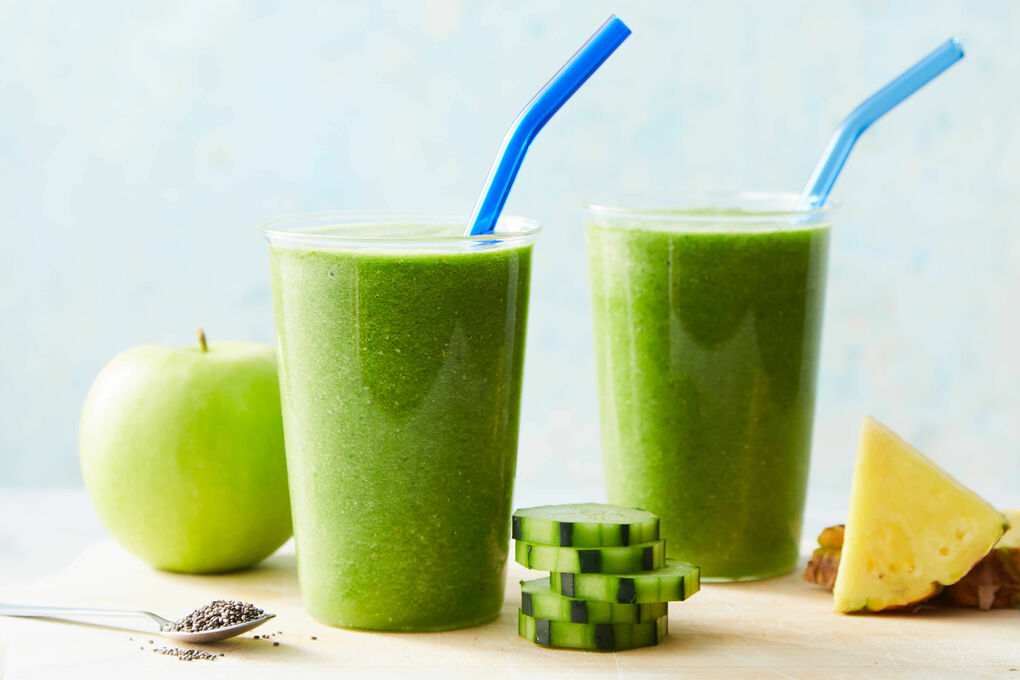
- Hydrating options: Herbal teas, lemon water, and green smoothies.
Foods to Avoid
- Processed snacks, sugary drinks, fried foods, excessive caffeine, and alcohol.
- Common triggers like dairy or gluten if you suspect sensitivities.
Daily Structure Example
- Start with warm lemon water.
- Meals: Smoothies for breakfast, salads or soups for lunch, grilled proteins with veggies for dinner.
- Snacks: Nuts, apple with almond butter, or fermented veggies.
To supercharge your reset, consider adding a high-quality probiotic supplement. Popular options in 2025 include multi-strain formulas with Lactobacillus and Bifidobacterium species, often combined with prebiotics for better results. One standout is Ritual’s Synbiotic+, which includes clinically studied strains plus pre- and postbiotics in a delayed-release capsule for optimal absorption. Check it out here – it’s transparent, science-backed, and perfect for daily gut support.
Real-World Examples
Many people report transformative results. For instance, a fitness enthusiast might notice less post-workout bloating and faster recovery after ditching processed protein bars for whole-food meals. New parents dealing with family food sensitivities often see reduced infant colic when mom follows a reset, thanks to improved breast milk quality from better maternal gut health.
One common plan: Start days 1-3 with lighter meals (smoothies, soups), build in more solids mid-week, and end with reintroduction testing. Books and programs like “Gut Health Diet for Beginners” or online resets from functional medicine sites provide step-by-step meal ideas, often featuring recipes like berry yogurt parfaits or salmon with quinoa.

Benefits and Advantages
The advantages are backed by science:
- Reduced bloating and discomfort: By removing irritants and adding fiber/probiotics.
- Improved energy and mental clarity: Better nutrient absorption and reduced inflammation combat brain fog.
- Better bowel movements: Fiber and hydration promote regularity without harsh laxatives.
- Stronger immunity and mood: 70-80% of immune cells reside in the gut; balanced microbes produce serotonin precursors.
- Performance optimization: Athletes report enhanced recovery and reduced GI distress.
- Long-term foundation: Sets habits for sustained wellness, potentially lowering risks for conditions like IBS.
Studies show short resets can increase beneficial bacteria like Akkermansia, linked to metabolic health.
For ongoing support post-reset, Seed’s DS-01 Daily Synbiotic is a top choice—clinically validated strains for whole-body benefits. Learn more and grab yours to maintain that reset glow.
Related Concepts
A 7-day gut reset overlaps with:
- Microbiome dieting: Similar to the Microbiome Diet but shorter.
- Elimination diets: Like low-FODMAP for IBS, but less restrictive.
- Intermittent fasting: Some resets incorporate time-restricted eating.
- Fermentation trends: Ties into eating more kimchi or kefir for natural probiotics.
- Anti-inflammatory protocols: Aligns with plans reducing chronic inflammation.
It’s gentler than juice cleanses and more targeted than general “clean eating.”
Conclusion
What is a 7-day gut reset? It’s a powerful, evidence-based tool to reclaim your digestive health in just one week, addressing root causes of common pain points like bloating, fatigue, and irregularity. Whether you’re a wellness-seeking millennial, managing IBS, optimizing athletic performance, or navigating family sensitivities, this reset offers a fresh start without overwhelm.
Commit to whole foods, listen to your body, and consider professional guidance if you have underlying conditions. Many emerge feeling lighter, energized, and empowered—ready to build lasting healthy habits!

To extend benefits, try Transparent Labs Gut Health series, with high-CFU probiotics tailored for regularity and comfort. Explore here for science-driven support.
One more tip: Pair your food reset with a premium probiotic like Bioma, designed for personalized gut rebalancing. Discover Bioma and lock in lasting results.
Frequently Asked Questions
Is a 7-day gut reset safe for everyone?
Generally, yes for healthy adults, but consult a doctor if pregnant, breastfeeding, or managing conditions like SIBO/IBS. Start slow to avoid temporary die-off symptoms.
How much weight can I lose?
It’s not primarily for weight loss, but many drop 3-7 pounds from reduced bloating and water retention.
Do I need supplements?
Food-first is best, but a quality probiotic can enhance results. Look for 10-50 billion CFUs with diverse strains.
What if I slip up?
No perfection needed—get back on track. Consistency over 7 days yields noticeable changes.
Can I exercise during the reset?
Yes! Light activities like walking or yoga support motility; avoid intense workouts if energy dips initially.
Related Posts
-
 Guide to Leaky Gut Signs, Symptoms, & Solutions
-
 Gut Health After Antibiotics: Tips for Recovery
-
 Gut Healing Tips & Protocols: Practical Ways to Support Digestive Balance
-
 How Can I Make My Gut Healthy? (Complete Answer)
-
 Gut Health and Bloating: How to Improve Digestive Wellness Naturally
-
 FAQ: How Do I Fix My Gut Health Quickly? (Complete Answer)