How Can I Make My Gut Healthy? (Complete Answer)

Discover evidence-based ways to improve gut health naturally. Learn about diet, probiotics, lifestyle changes to reduce bloating, boost energy, and support digestion.
Quick Answer (TL;DR)
If you’re wondering “how can I make my gut healthy?”, the key is focusing on a diverse, plant-rich diet high in fiber, incorporating fermented foods for probiotics, staying hydrated, managing stress, getting regular exercise, and prioritizing sleep. Start small: aim for 30 different plant foods weekly, add yogurt or kimchi to meals, and walk daily. These changes can reduce bloating, improve regularity, and enhance overall well-being in weeks.

Understanding the Question
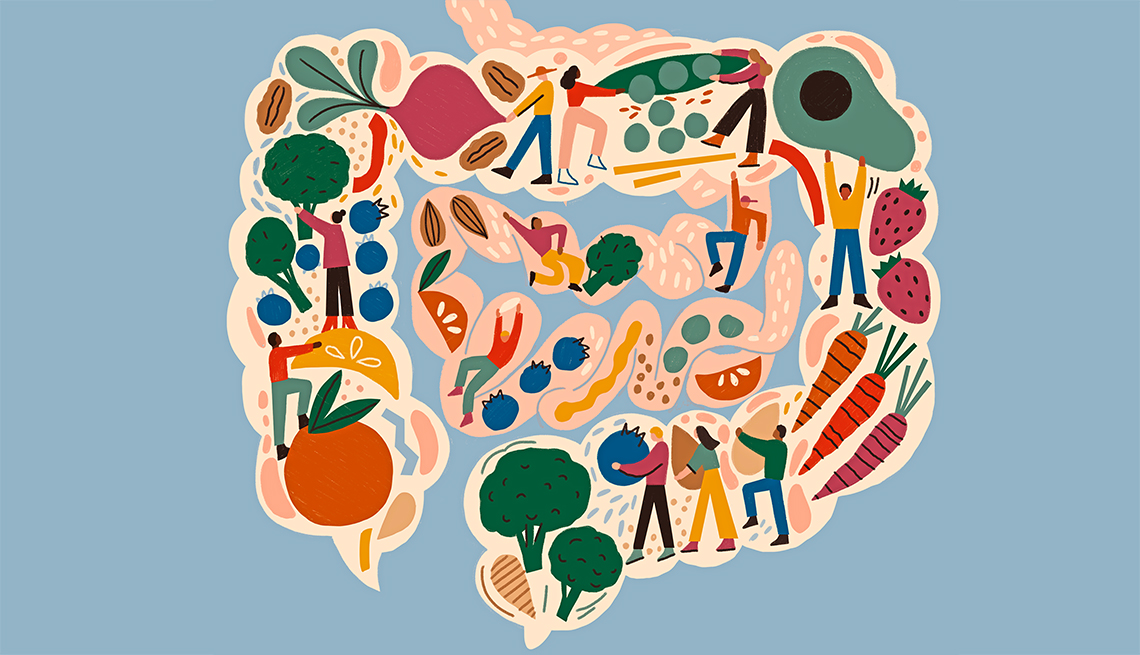
Many people search for “how can I make my gut healthy?” because they’re dealing with frustrating symptoms like chronic bloating after meals, unpredictable bowel movements swinging between constipation and diarrhea, low energy levels, or even brain fog possibly tied to food sensitivities. These issues often stem from an imbalanced gut microbiome—the trillions of bacteria, viruses, and fungi living in your intestines.
Your gut microbiome plays a crucial role beyond digestion: it influences immunity, mood, energy, and even weight management. For health-conscious millennials embracing holistic wellness, older adults managing conditions like IBS or SIBO, fitness enthusiasts optimizing performance, or new parents navigating family sensitivities, improving gut health can transform daily life. The good news? Most improvements come from natural, sustainable changes backed by science.
Detailed Explanation
What Is Gut Health and Why Does It Matter?
Gut health refers to a balanced microbiome where beneficial bacteria thrive, supporting efficient digestion, nutrient absorption, and a strong gut barrier. An unhealthy gut (dysbiosis) allows harmful bacteria to dominate, leading to inflammation, leaky gut, and symptoms like those mentioned.
Research from sources like Harvard Health and Johns Hopkins shows a diverse microbiome reduces risks of digestive disorders, boosts immunity, and even improves mental health via the gut-brain axis.
Core Ways to Improve Gut Health
-
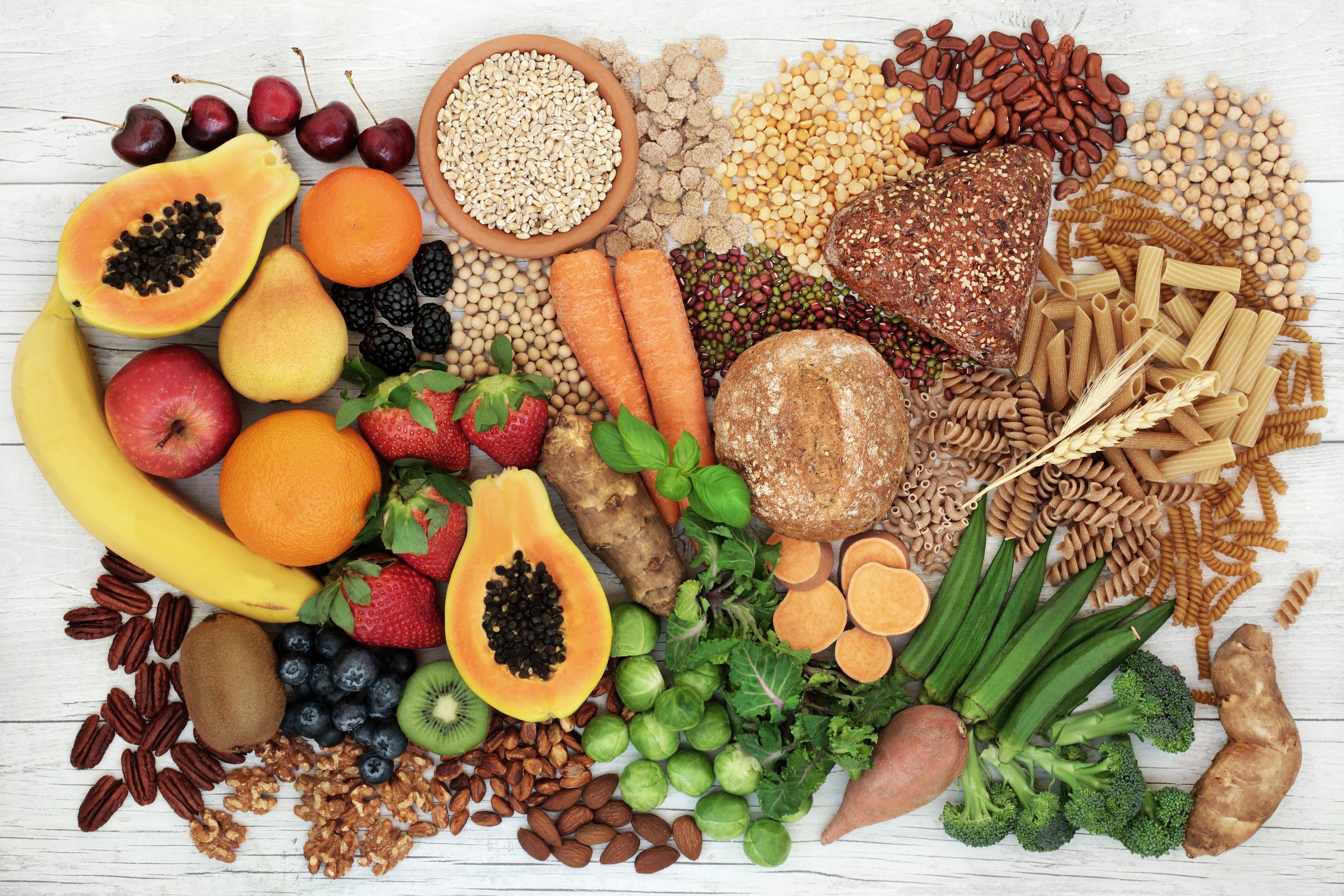
Eat a Diverse, Fiber-Rich Diet Fiber acts as prebiotics—food for good bacteria. Aim for 25-35 grams daily from whole foods. High-fiber diets increase microbial diversity and produce short-chain fatty acids (SCFAs) that reduce inflammation.
Prebiotic-rich foods include:
- Garlic, onions, leeks
- Asparagus, bananas
- Oats, barley, beans
- Chicory root, dandelion greens
Polyphenol-rich foods (berries, nuts, dark chocolate, green tea) also fuel beneficial bacteria.
-
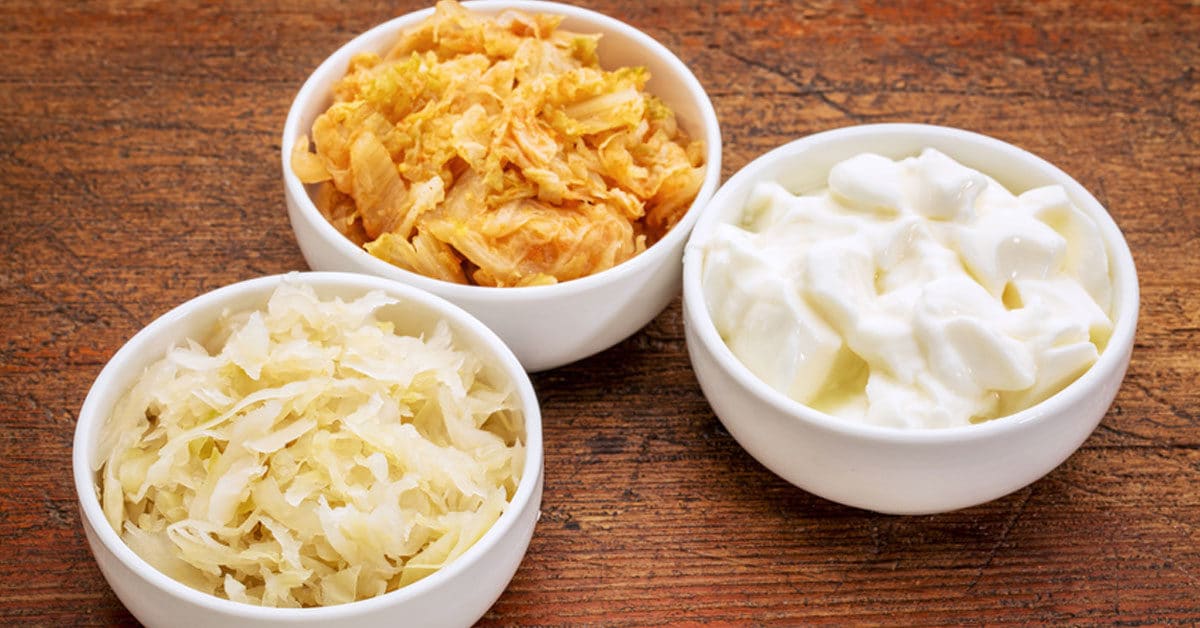
Incorporate Probiotic Foods Probiotics introduce live beneficial bacteria. Fermented foods are the best natural source.
Top options:
- Yogurt (with live cultures)
- Kefir
- Kimchi
- Sauerkraut
- Kombucha, miso
Studies show these increase gut diversity and alleviate bloating/gas.

For extra support, consider a high-quality probiotic supplement. Transparent Labs Gut Health Series offers multi-strain formulas with high CFUs, prebiotics, and third-party testing—ideal for beginners or those with persistent symptoms.
- Stay Hydrated Water aids digestion, prevents constipation, and supports mucus production in the gut lining. Aim for half your body weight in ounces daily.
- Exercise Regularly Moderate activity like walking, yoga, or cycling boosts microbial diversity and SCFAs.

- Manage Stress and Prioritize Sleep Chronic stress disrupts the microbiome; techniques like meditation help. Aim for 7-9 hours of sleep nightly.
- Avoid Gut Disruptors Limit processed foods, added sugars, artificial sweeteners, and unnecessary antibiotics.
If diet alone isn’t enough, supplements like fiber (psyllium) or L-glutamine can help repair the gut lining. For targeted probiotic support, Ritual’s Synbiotic+ combines probiotics, prebiotics, and postbiotics in one capsule.
Key Points
- Diversity is Key: Eat 30+ plant types weekly for maximal microbial variety.
- Pro + Pre = Synbiotics: Combine probiotics and prebiotics for best results.
- Lifestyle Matters: Exercise, sleep, and stress management are as important as diet.
- Start Slow: Sudden changes can cause temporary bloating—introduce new foods gradually.
- Personalization: What works varies; track symptoms to find your best approach.
Examples and Case Studies
Consider Sarah, a 35-year-old fitness enthusiast experiencing bloating and low energy post-workouts. By adding kefir to breakfast, swapping processed snacks for fiber-rich apples/onions, and walking 30 minutes daily, she reduced bloating in 4 weeks and improved performance.
In a Stanford study, participants eating fermented foods daily increased microbiome diversity and reduced inflammation markers. Another from ZOE showed personalized fiber-rich diets improved energy and reduced brain fog in those with suspected intolerances.
For parents: Introducing yogurt to toddlers can ease colic-like symptoms by balancing infant microbiomes.
Expert Insights
Gastroenterologists like Dr. Gerard Mullin (Johns Hopkins) emphasize whole foods over supplements: “A balanced diet rich in fruits and vegetables provides the fiber that builds good bacteria.”
Harvard’s Dr. Robert Shmerling recommends five simples: high fiber, hydration, stress management, sleep, and activity.
From Mayo Clinic: Breastfeeding and early diverse foods set a strong microbiome foundation.
Experts agree: Avoid over-reliance on supplements unless needed. For IBS/SIBO, a multi-strain probiotic like Seed DS-01 (with clinically studied strains) can provide targeted relief.
Additional Resources
- Harvard Health: “5 Simple Ways to Improve Gut Health“
- ZOE Nutrition Program for personalized insights
- Books: “Fiber Fueled” by Dr. Will Bulsiewicz
- Apps for tracking plant diversity
For premium fiber support, Thorne’s FiberMend (prebiotic blend) is expert-recommended.
Conclusion
Improving your gut health is a powerful step toward feeling energized, comfortable, and resilient. By prioritizing diverse plants, fermented foods, movement, and self-care, you’ll nurture a thriving microbiome. Results build over time—be patient and consistent. Consult a doctor for persistent issues, especially with diagnosed conditions.
Frequently Asked Questions
How long does it take to improve gut health? Typically 2-4 weeks for noticeable changes, but full benefits in months.
Can I take probiotics every day? Yes, from food or supplements, but choose reputable brands.
What if I have IBS? Focus on low-FODMAP initially, then gradually add prebiotics; consult a specialist.
Are supplements necessary? Food-first is best, but supplements help if diet falls short.
Does gut health affect mental health? Yes—via the gut-brain axis; balanced microbiomes support mood and reduce fog.


