Gut Health Basics: Understanding Digestion, the Microbiome, & Balance

This guide to gut health basics explains the key components of gut health & how to identify common problems & gut health myths…
Gut health is foundational to your overall well-being, influencing digestion, immunity, mood, and more. This beginner-friendly guide breaks down the essentials of gut health, explaining how your digestive system works, the role of the microbiome, and why maintaining balance is key. By understanding these basics, you’ll be better equipped to recognize signs of imbalance and take simple steps toward better digestive wellness.
1. What Is Gut Health?
Gut health refers to the optimal functioning of your digestive system, including efficient breakdown of food, nutrient absorption, waste elimination, and a balanced community of microorganisms known as the gut microbiome.
Digestion begins in the mouth and continues through the esophagus, stomach, small intestine (where most nutrients are absorbed), and large intestine (where water is reabsorbed and waste forms). The process relies on enzymes, acids, and gut motility to move food along smoothly.
The microbiome consists of trillions of microbes—primarily bacteria, but also viruses, fungi, and archaea—living mainly in the large intestine. These microbes help digest fiber, produce vitamins (like B vitamins and vitamin K), regulate the immune system, and protect against harmful pathogens. Approximately 70-80% of immune cells are present in the gut, highlighting its central role in immunity.
Balance matters because a harmonious gut supports strong immunity, stable energy, clear skin, and even mental health via the gut-brain axis. Imbalance, or dysbiosis, can lead to inflammation, poor nutrient absorption, and broader health issues.

Image via dreamstime.com
2. The Gut Microbiome Explained
The gut microbiome is a diverse ecosystem of microorganisms that interact with your body in symbiotic ways. A healthy microbiome features high diversity, meaning many different species of microbes working together.
Beneficial bacteria, such as those from phyla like Bacteroidota and Firmicutes, aid digestion by fermenting fiber into short-chain fatty acids (SCFAs) that nourish gut cells, reduce inflammation, and support metabolic health. They also crowd out harmful pathogens and strengthen the gut barrier.
Harmful or opportunistic bacteria can overgrow in an imbalance, producing toxins or triggering inflammation. Most gut microbes are harmless or beneficial; issues arise when beneficial ones decline, and opportunistic ones increase.
Diversity provides resilience—the microbiome can better withstand disruptions (like diet changes or illness) and recover quickly. High microbial diversity is linked to robust digestion, immune regulation, and protection against disease, while low diversity reduces stability and functional redundancy. Studies show that diverse microbiomes are associated with better health outcomes, including in long-living individuals and protection against pathogens.
3. Signs of Poor Gut Health
Poor gut health often shows through noticeable symptoms, extending beyond the digestive tract due to the gut’s connections to other systems.
Common digestive signs include frequent bloating, gas, constipation, diarrhea, or heartburn, which may indicate difficulties in processing food or microbial balance.
Beyond digestion, you might experience persistent fatigue or low energy (from poor nutrient absorption or inflammation), skin issues like acne, eczema, or psoriasis (linked to gut-driven inflammation), mood changes such as anxiety, irritability, or depression (via the gut-brain axis and serotonin production), and weakened immunity with frequent illnesses.
If these persist, they signal potential imbalance—consult a healthcare provider for personalized assessment.

Image via dreamstime.com
4. Common Causes of Gut Imbalance
Gut imbalance (dysbiosis) often stems from lifestyle and environmental factors that disrupt microbial diversity or promote overgrowth of harmful microbes.
Diet plays a major role: high intake of processed foods, sugars, and low fiber reduces beneficial bacteria and SCFA production, while ultra-processed foods can harm the gut barrier.
Chronic stress activates the HPA axis, releasing cortisol that alters motility, increases inflammation, and shifts microbiome composition.
Sleep disruption affects circadian rhythms and microbial balance, leading to cravings, slower digestion, and reduced diversity.
Medications, especially antibiotics, can wipe out beneficial bacteria and cause long-term changes in diversity and composition, sometimes persisting for months or years; other drugs like proton pump inhibitors can also disrupt the microbiome.
Environmental factors, infections, and aging contribute too. These triggers often interact, making gradual lifestyle adjustments key to restoration.
5. How Stress and Sleep Impact the Gut
The gut-brain axis is a bidirectional communication pathway linking the gut, microbiome, and brain via nerves (like the vagus nerve), hormones, and microbial metabolites.
Stress triggers the fight-or-flight response and HPA axis, elevating cortisol, which can slow gut motility (leading to constipation), increase permeability (“leaky gut“), promote inflammation, and alter microbiome composition toward less beneficial species.
Chronic stress exacerbates conditions like IBS by heightening visceral sensitivity and disrupting the gut barrier.
Sleep disruption misaligns circadian rhythms, affecting microbial communities, increasing inflammation, and worsening digestion. Poor sleep can lead to more cravings and fatigue, creating a vicious cycle.
Supporting the gut-brain axis through stress management (e.g., mindfulness) and consistent sleep (7-9 hours) helps maintain balance.
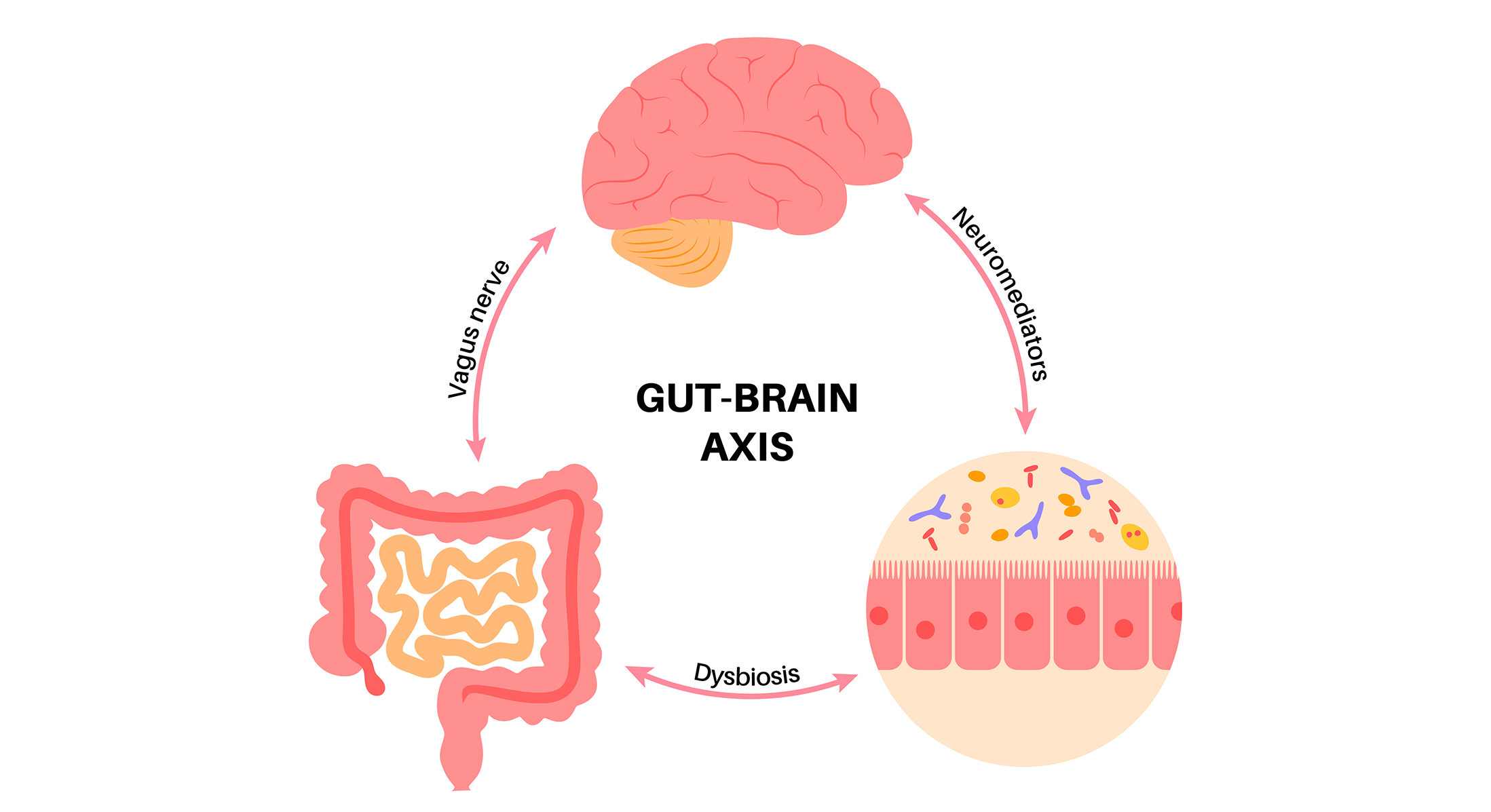
Image via gutmicrobiotaforhealth.com
6. Myths & Misconceptions About Gut Health
Gut health advice is full of oversimplifications—here are common myths debunked:
- One-size-fits-all fixes: No single approach works for everyone – especially when it comes to the gut. Gut needs vary by individual factors like genetics, diet, and health status. Personalized strategies are more effective than universal “cures.”
- Overuse of supplements: Probiotics aren’t always necessary or a quick fix—while helpful after antibiotics or for specific issues, they’re not essential for everyone and can sometimes even disrupt balance if overused. Focus on diet first.
- Extreme protocols: Juice cleanses, prolonged fasting, or cutting entire food groups without reason don’t “detox” the gut and may cause nutrient gaps or further imbalance. Sustainable habits trump drastic measures.
Understanding these gut health basics helps avoid hype and focus on evidence-based basics.
7. Recommended Reading
Build on these fundamentals with deeper dives:
- Gut Healing Tips & Protocols – Natural, step-by-step ways to restore balance.
- Food & Diet for Gut Health – Practical eating strategies to nourish your microbiome.
- Supplements & Microbiome Support – Beginner guides to when and how supplements fit in.
Start here for clear, actionable next steps toward better gut health!
Related Posts
-
 Gut Health and Alzheimer’s: Understanding the Link
-
 Gut Health and ADHD: Understanding the Connection
-
 Discover the Surprising Answer to “How Many Gut Bacteria Do We Have”
-
 Gut Health and Anxiety: How Your Gut May Affect Your Mental Well-being
-
 Gut Health & Brain Health: The Surprising Connection
-
 Gut Health & Your Mood: The Serotonin Connection