Gut Healing Tips & Protocols: Practical Ways to Support Digestive Balance

Keep your gut healthy & thriving with these simple gut healing tips & protocols designed to support your digestive health & keep your biome in balance…
If you’re experiencing digestive discomfort, fatigue, mood fluctuations, or other signs of imbalance, you’re not alone—and the good news is that supporting your gut can lead to meaningful improvements in how you feel overall. Gut healing isn’t about overnight miracles or extreme measures; it’s a gradual process of nurturing resilience, restoring function, and promoting a balanced microbiome through sustainable habits.
This guide offers practical, evidence-based tips and protocols to help you support your digestive system holistically. Always consult a healthcare professional before making significant changes, especially if symptoms are severe.
1. What “Gut Healing” Really Means
Gut healing refers to restoring the integrity and optimal function of your digestive tract, including repairing the gut lining (reducing increased permeability, often called “leaky gut“), rebalancing the microbiome, reducing inflammation, and improving digestion and nutrient absorption.
It’s not a quick fix like a short cleanse or detox trend. True healing focuses on building long-term resilience: enhancing microbial diversity, strengthening the gut barrier, and supporting the gut-brain connection. Approaches like probiotics, prebiotics, dietary fiber, and stress management help restore balance, as supported by research on microbiome restoration strategies.
For example, studies show that dietary interventions and lifestyle changes can positively influence gut microbiota diversity and reduce inflammation over time. Evidence from PMC reviews highlights functional ingredients like fiber, glutamine, and polyphenols in modulating intestinal permeability.
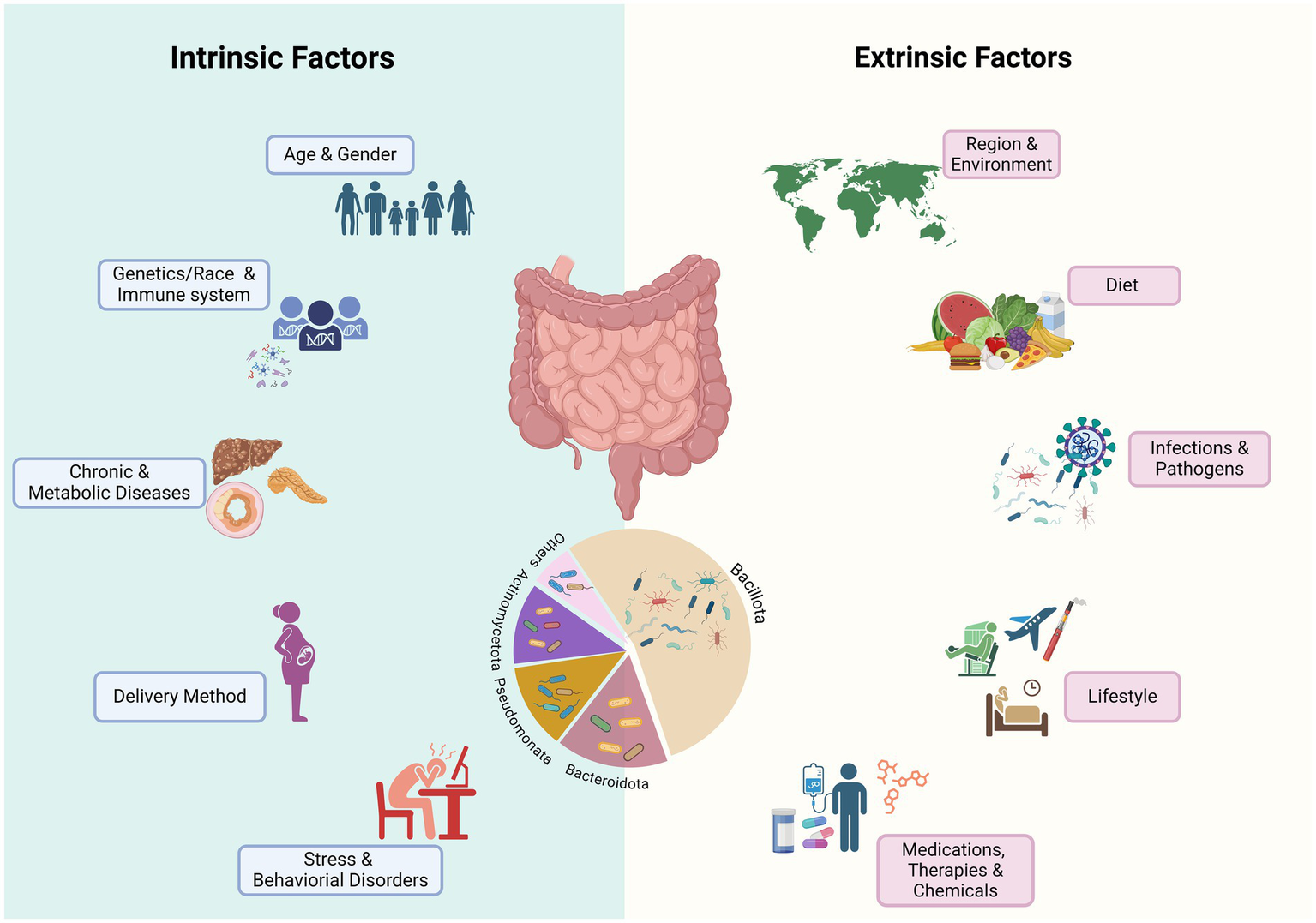
Image via frontiersin.org
2. Lifestyle Foundations for Gut Healing
Lifestyle forms the bedrock of gut healing, often more impactful than any single supplement or food.
- Stress regulation: Chronic stress elevates cortisol, which can disrupt gut motility, increase permeability, and alter the microbiome toward less beneficial species. Practices like mindfulness, meditation, or yoga activate the parasympathetic “rest and digest” state, supporting healing. Evidence from Harvard Health and other sources links stress management to reduced digestive discomfort and better microbiome health. See this article from Hopkins Medicine on the gut-brain connection.
- Sleep consistency: Aim for 7-9 hours nightly. Poor sleep disrupts microbial rhythms and increases inflammation. Consistent sleep hygiene supports gut repair and overall resilience.
- Gentle movement: Activities like walking, yoga, or light resistance training promote gut motility, enhance microbial diversity, and reduce inflammation. Moderate exercise (150-270 minutes/week) has positive effects on the gut microbiota. Systematic reviews confirm exercise increases gut diversity.
- Daily routines: Establish consistent meal times, hydration, and relaxation practices to support circadian alignment and digestive function.
These foundations create an environment where the gut can heal naturally.
 Image via prevention.com
3. Dietary Strategies for Healing
Diet plays a central role in feeding beneficial bacteria and reducing irritants.
- Elimination approaches (high-level): Temporarily remove common triggers like processed foods, excess sugar, or potential sensitivities (e.g., dairy, gluten) to identify irritants and reduce inflammation. Focus on whole foods during this phase.
- Reintroduction and personalization: Gradually reintroduce foods while monitoring symptoms to build a sustainable, personalized diet. Avoid unnecessary long-term restrictions to prevent nutrient deficiencies and microbiome narrowing.
- Anti-inflammatory, fiber-rich eating: Prioritize prebiotic fibers (from vegetables, fruits, legumes, whole grains) to nourish good bacteria and produce short-chain fatty acids (SCFAs) that support gut lining repair. Include fermented foods for natural probiotics. High-fiber diets increase microbial diversity and lower inflammation.
 Image via womenshealthmag.com
4. Supporting the Gut-Brain Connection
The gut-brain axis links emotional health and digestion via nerves, hormones, and microbial signals.
Techniques to regulate the nervous system include:
- Breathwork and mindfulness: Deep diaphragmatic breathing or mindfulness practices reduce stress responses, enhance vagus nerve tone, and promote parasympathetic dominance for better digestion.
- Pacing and gentle practices: Incorporate yoga, meditation, or body scans to lower cortisol and support gut motility.
Evidence shows mind-body tools like mindfulness and yoga ease GI symptoms, improve mood, and reduce inflammation by dampening the stress response.
5. Common Gut Healing Approaches (Explained Simply)
- Gut resets: Short periods focusing on easy-to-digest, nutrient-dense foods (e.g., bone broth, cooked veggies) to give the gut a break, combined with hydration and rest.
- Anti-inflammatory eating: Emphasize plant-based foods, omega-3s, and polyphenols to lower gut inflammation and support barrier function.
- Digestive support habits: Chew thoroughly, eat mindfully, stay hydrated, and incorporate gentle aids like herbal teas (e.g., ginger, peppermint) for soothing.
These sustainable habits, rather than extremes, promote lasting microbiome balance and healing.
6. When to Slow Down or Seek Help
Healing should feel supportive, not overwhelming. Listen to your body.
Red flags that warrant professional help include:
- Persistent or severe abdominal pain
- Blood in stool (bright red or black/tarry)
- Unexplained weight loss or appetite changes
- Chronic diarrhea/constipation not improving
- Frequent vomiting or difficulty swallowing
- Symptoms lasting weeks without relief
These could indicate underlying issues like infections, inflammatory conditions, or other concerns requiring medical evaluation. Cleveland Clinic and other sources outline when to seek care.
Avoid over-treatment: Jumping into multiple supplements or strict protocols without guidance can sometimes worsen imbalance. Start slow, track responses, and consult a doctor or registered dietitian.
7. Next Steps & Resources
Start small—pick one or two changes (e.g., add more fiber and practice daily breathwork) and build from there. Track symptoms in a journal to see what works.
Deepen your journey with these resources:
- Food & Diet for Gut Health – In-depth guide to nourishing foods and gut-supportive eating.
- Supplements & Microbiome Support – When and how to consider probiotics/prebiotics.
- Gut Health Basics – Foundational understanding of digestion and microbiome.
- Gut Healing Tips & Protocols – (this page) for ongoing reference.
Patience and consistency are key; your gut can thrive with gentle, holistic support.


